

Antibiotics - Guide
What Are Antibiotics?
• Antibiotics—also called antibacterials—are powerful medicines that fight bacterial infections.
• They work in two ways: some kill bacteria outright, while others stop bacteria from multiplying and spreading.
• A smaller number of antibiotics also target protozoa, extending their usefulness beyond bacterial infections.
• Importantly, antibiotics do not work against viruses.
• The common cold and flu are viral illnesses, so antibiotics cannot treat them.
• Medications designed specifically for viruses are called antivirals, a distinct category altogether.
How Antibiotics Work
• Antibiotics attack infections through different mechanisms.
• Some prevent infections from growing, while others destroy existing infections.
• These medications are produced either naturally from mold or fungus, or created synthetically in laboratories.
Common Antibiotic Classes:
• Aminoglycosides interfere with bacterial protein formation.
• Examples include gentamicin, amikacin, and tobramycin.
• Potential side effects include hearing balance issues and kidney effects, so medical supervision is essential.
Applications and Coverage
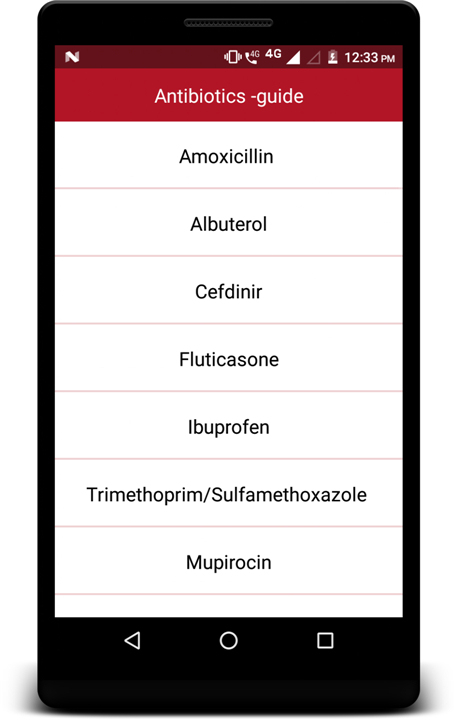
• Antibiotic guidance spans numerous infection categories across the body, including nervous system, dental, genital tract, gastrointestinal, HIV-related, immunocompromised patient care, respiratory tract infections (upper and lower), skin and soft tissue conditions, tropical diseases, and urinary tract infections.
• Treatment details cover doses, how often to take medication, treatment length, first-line options, alternatives for those allergic to penicillin, and guidance for both adults and children.
Who Benefits From This Guidance?
• This comprehensive antibiotic resource serves general practitioners, physicians, junior doctors, nurses, pharmacists, and all healthcare professionals working in primary care settings.
Important Medical Disclaimer
• The information provided here offers general medical guidance and should never replace the expertise and judgment of your healthcare provider.
• Always consult a qualified medical professional before starting any medication regimen.
FAQ
Q: In what ways do antibiotics actually fight an infection?
A: These medications work through two main mechanisms depending on the specific drug used. Some antibiotics are designed to kill the bacteria outright, while others function by preventing the bacteria from multiplying and spreading, which allows the body's natural defenses to clear the remaining infection.
Q: Why are antibiotics ineffective against the common cold or the flu?
A: It is a common misconception that antibiotics can treat any illness, but they are specifically designed to target bacteria, not viruses. Since the common cold and the flu are viral infections, taking an antibiotic will not provide any therapeutic benefit and will not speed up your recovery.
Q: What is the difference between an antibiotic and an antiviral medication?
A: While both are used to fight germs, they belong to entirely distinct categories. Antibiotics are used for bacterial and sometimes protozoal infections, whereas antivirals are medications created specifically to target and manage viral illnesses.
Version History
v1.9——4 May 2026
these are medicines that fight bacterial infections in people and animals Download the latest version of Antibiotics - Guide to enjoy new features and updates immediately!
*1.9
- antibiotics
- performance enhancement
*1.7
- antibiotics
- performance enhancement
*1.6
- antibiotics
- performance enhancement










Ratings and reviews
There are no reviews yet. Be the first one to write one.